


Tax collectors and sinners were all drawing near to listen to Jesus, but the Pharisees and scribes began to complain, saying, ‘This man welcomes sinners and eats with them.’ (Luke 15:1-2)
The word ‘but’ in this passage stands at a junction of opposing movements. One group is drawing near, while the other is moving farther away. Instead of approaching Jesus, the Pharisees draw a line, separating themselves from the sinners and, in turn, from him.
Jesus’ love for the Pharisees and scribes is evident: He turns his attention from what he was teaching to address them and make them aware of the terrible things coming from their hearts (cf. Matthew 15:19). Why? Because “The Lord is kind and merciful.” (Responsorial Psalm) He loves each one of us and shepherds us with his staff (cf. Micah 7:14).
In the Parable of the Prodigal Son, we see two brothers moving in opposite directions of the heart. When the prodigal returns, the older brother complains and creates distance between himself and his father. Yet the father speaks truth to his son’s heart, with kindness and mercy, hoping he will not remain apart.
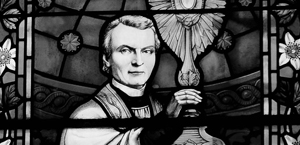
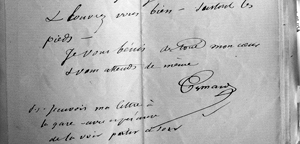
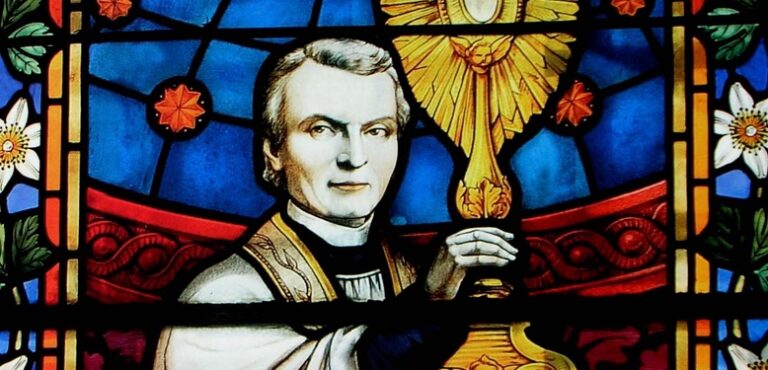
“A catholic heart must be as big as that of God! So, avoid this little piety, this little virtue which shrinks the soul; on the contrary, piety is a fertilizing sun which expands the heart that is inflamed! Be great in your views, great in your desires, great in your love!” (Eymard, A Thought Per Day).
Whenever we find our hearts complaining about “us” and “them”, let us cling to the grace of recognition and thank God for his merciful ways toward us. Let us hear the Father speaking truth to our hearts: My son, my daughter, you are here with me always; everything I have is yours (Luke 15:32).
Let Us Pray:
Lord, have mercy on me, a sinner.