


In Latin, the word for mercy is misericordia, which comes from the roots misereri, meaning “to pity,” and cor, meaning “heart.” Mercy is a compassionate response that begins in our hearts, moved by another’s suffering, and goes beyond feeling pity to action to help those in need.
In Daniel 3, three young men are cast into the fire for refusing to bow to an idol. Amid the flames, they pray with contrite hearts, pleading for God’s mercy. For their faithfulness and courage, God grants them protection from the fire. Their prayer reminds us that repentance involves humility and truthfulness. We need to recognize our faults and appeal to God’s compassionate heart, for He is caring and merciful.
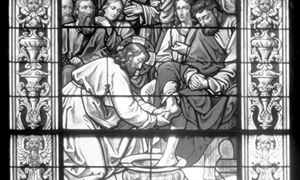
In the parable of the unforgiving servant (Matthew18:21-35), a king forgives a servant an overwhelming debt, symbolizing the infinite mercy God offers us. Yet that same servant refuses to extend mercy to another who owes him a small amount. This highlights the expectation that those who receive mercy must also show mercy to others. Jesus teaches that “Without cost you have received; without cost you are to give” (Matthew 10:8). As Christ has done for us, we are to do for others.
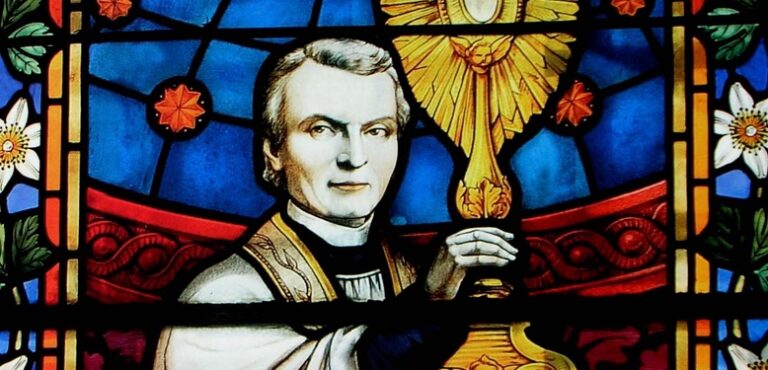
During Communion, at that most intimate moment, Christ’s heart becomes our heart, His love becomes our love, and His mercy overflows our simple vessels… His ocean of mercy is abundant and transformative, and should change how we live. Let us ask that our love and charity be strengthened, and that the mercy we have received through the Body and Blood of Christ may take root in us, in forgiveness and compassion, that we may learn to love as Christ has loved us.
May God’s mercy draw us to greater love.
Prayer:
Lord, you know our hearts. Please open our hearts and minds to your love for us, so that we may receive your mercy and compassion and share them with our brothers and sisters in need. Amen.