



Hearing voices is not something to dismiss. Specialists can help. However, there are the voices of literary characters. There’s a familiar sound of Winnie-the-Pooh, Hercule Poirot, and any particular character voice in Charles Dickens’ novels, a master at creating character voices. And then there’s scripture.
How we read scripture is improved when we hear the voice.
God will speak to us in his own way, but there are other voices in that river of words. Listen carefully and hear the writer’s voice, and, more importantly, engage with the reading.
Take Isaiah, for example. The prophet has a compelling sound. For instance, we hear his voice today, not angry but a voice of joyful ecstasy proclaiming all things rest with God. Here is a voice of hope to run and not grow weary.
Then there’s the voice of Jesus, but not the righteous, angry voice we hear when Jesus clears the temple as a marketplace. Hear another voice of Jesus, one of comfort, inviting us to rest in him when we are burdened.
Again, Isaiah: Lift up your eyes on high and see who has created these things: Hear the appeal, beseeching the reader to marvel at He who created all things; Do you not know, or have you not heard?
These are voices that speak to us. Blow off the dust of scripture and listen. We can’t help but be engaged with the voices.
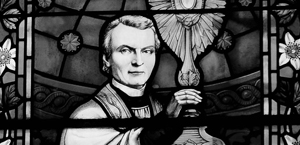
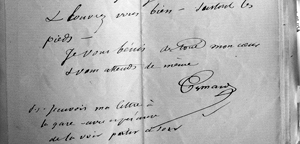
Father Eymard counsels in a correspondence, no. 34, the interior life of prayer brings us closer to God. Read Sacred Scripture.
Like a well-orchestrated symphony, language has quiet nuances and, at times, a dramatic crescendo.
Read aloud, capture the moment, and channel the writer. Listen and be spiritually attuned to the Word of God.
Prayer:
Wonderful are your testimonies; therefore, I keep them. The revelation of your words sheds light and gives understanding to the simple. (Psalm 119:130-131)