

To live is Christ, and to die is gain. In today’s reading from Philippians, Saint Paul faces life’s ultimate crossroads with radical freedom. Whether he lives or departs, his singular ambition is that Christ be magnified. Paul’s perspective isn’t mere stoicism; it is completely Eucharistic. The Eucharistic life is an offering of self, where we take our daily existence, bless it in union with Christ, break our self-will, and give it away for others.
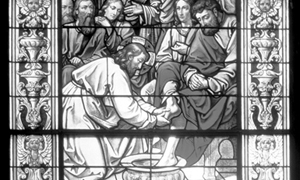
In the Gospel, Jesus applies this exact self-emptying dynamic to human status. Observing guests scramble for places of honor at a banquet, He reframes greatness through the lens of humility. The world teaches us to climb, posture, and secure the seat at the head of the table. Jesus invites us to the lowest place, not to degrade us, but to liberate us from the exhausting treadmill of pride.
How do these connect to the altar? Every time we celebrate the Eucharist, we witness the ultimate reversal of status. God does not cling to His divinity; He humbles Himself to become our food, taking the lowest place so that we might be lifted up.
Practical Eucharistic living means bringing this altar-mystery into our offices, homes, and relationships. It looks like choosing the humble path: listening instead of dominating the conversation, serving behind the scenes without needing applause, and welcoming the marginalized who cannot repay our kindness.
When we receive Christ in the Eucharist, we consume humility itself. May this sacrament cure our addiction to status and teach us, like Paul, that true honor is found only in pouring ourselves out for love.
Prayer:
Lord Jesus, you humbled yourself to share our human life and became the bread of the lowly. Cure our hearts of ambition and pride. Teach us to take the lowest place with grace, that we may find our true glory in serving you alone. Amen.